Head to head
Smith I/O MAG XL vs Oakley Flight Deck L (2027)
The two premium ski goggles compared: Smith's magnetic I/O MAG XL against Oakley's rimless Flight Deck L, on lens change, optics, view and fit.
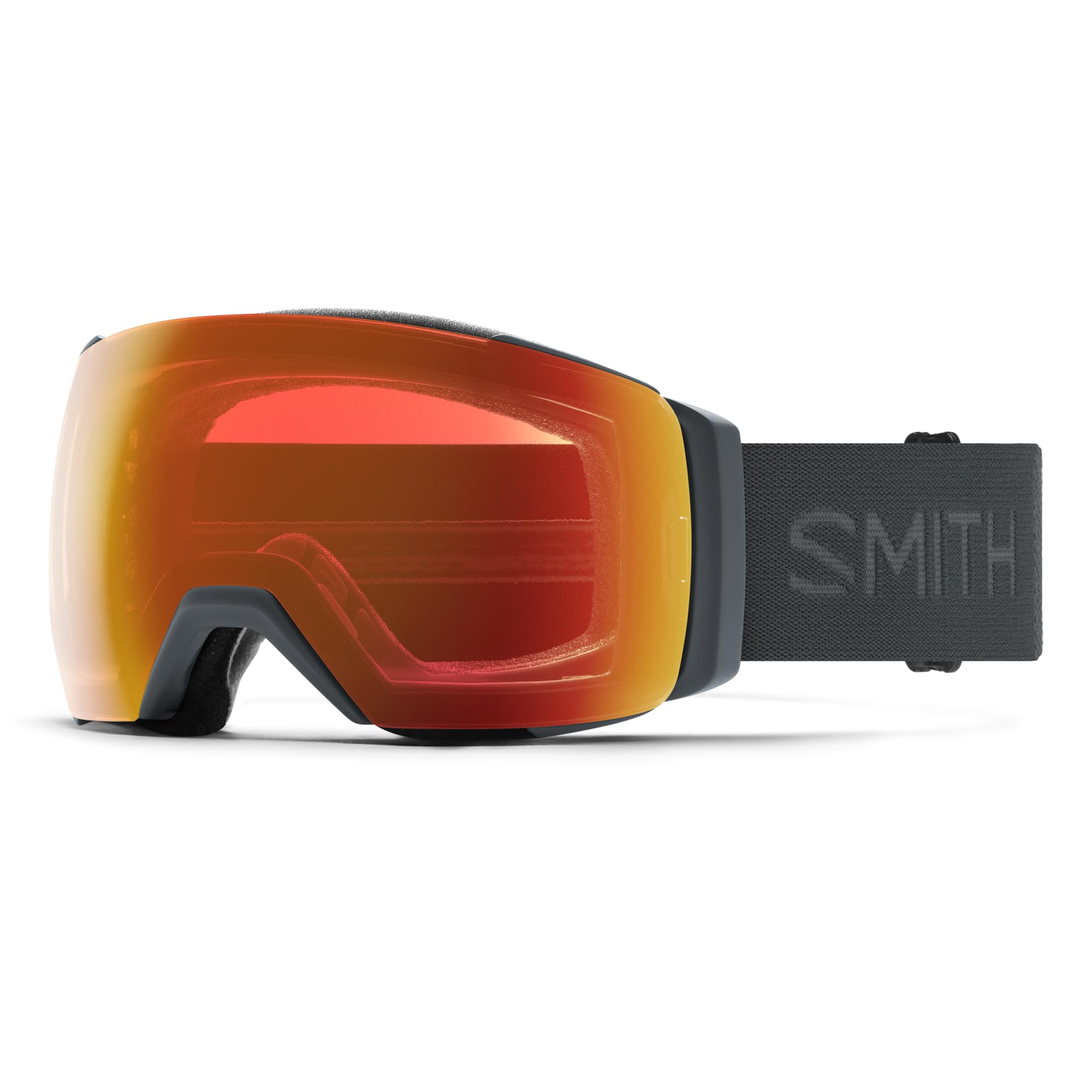
Smith I/O MAG XL ChromaPop Ski Goggles
Smith's flagship magnetic goggle: a spherical ChromaPop lens, a bonus low-light lens and the best anti-fog here.
- Lens: Spherical ChromaPop, MAG
- VLT: Varies by ChromaPop tint
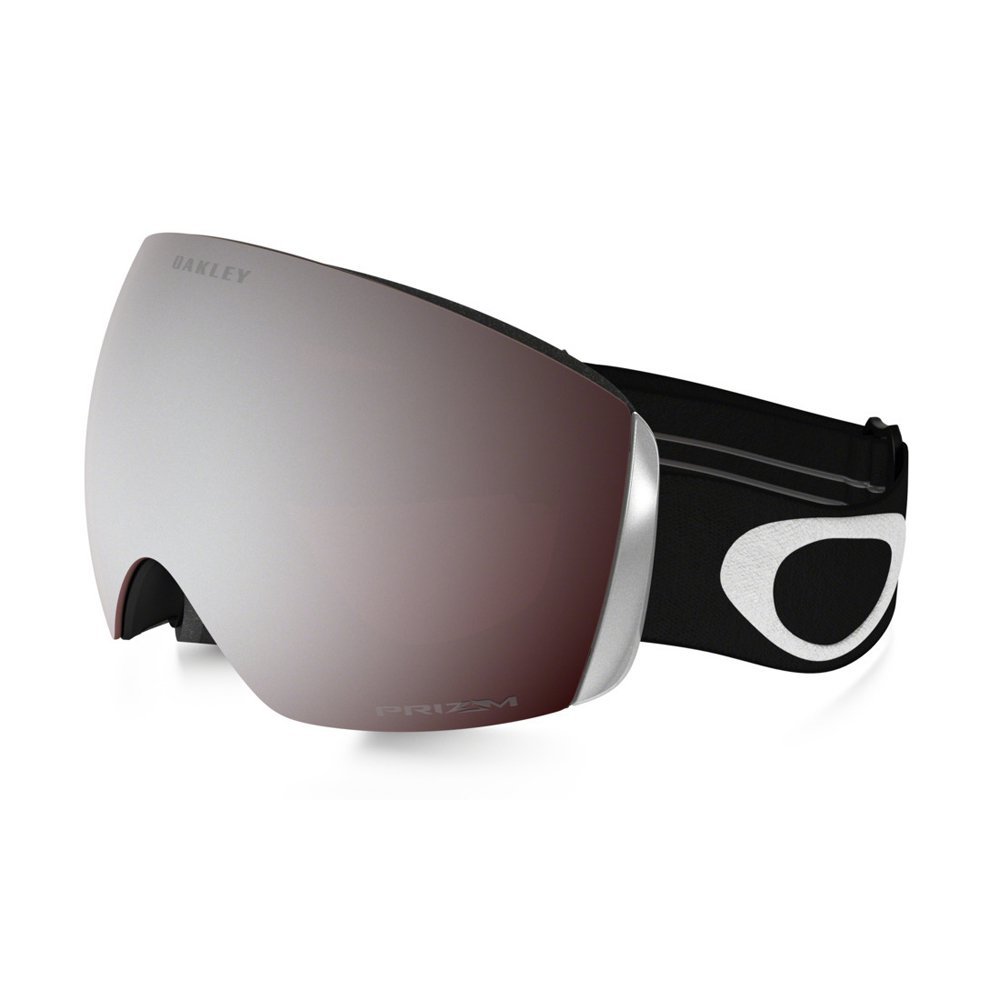
Oakley Flight Deck L Prizm Ski Goggles
Oakley's rimless fighter-pilot visor: the widest view here, with a Prizm lens tuned for snow contrast.
- Lens: Prizm Black Iridium
- Frame: Rimless, large fit
What owners report
Most praised
- The lens change is the fastest owners have used, done on a chairlift without removing gloves
- ChromaPop makes bumps and ice patches stand out on days when other lenses went flat
- Fog is the complaint owners almost never make about this goggle, even on wet days
Common complaints
- The price stings, and a spare lens costs nearly as much as a budget goggle
- Small faces find the XL frame too wide, with cold air leaking at the edges
- A lens that is not seated cleanly after a swap can whistle at speed
What owners report
Most praised
- The view is the widest owners have skied in, with no frame edge at the top or sides
- Prizm contrast makes hidden ice and rollers visible on days when the light goes flat
- The large frame fits comfortably over glasses on faces that smaller goggles squeezed
Common complaints
- One lens in the box means the first cloudy day sends owners shopping for a second Prizm lens
- Lens swaps are slow enough that owners often just ski the wrong tint instead
- The big frame can push against the helmet brim and leave a pressure mark on the forehead
Our recommendation
Buy the Smith I/O MAG XL if you ride changing light, because its MAG magnetic change swaps tints in seconds and a bonus low-light lens ships in the box. Buy the Oakley Flight Deck L if the view matters most, because its rimless Prizm lens gives the widest field of view in this guide. The honest answer for a skier who rides full days in moving weather is the Smith. The honest answer for a skier with a large face who wants to see everything on a sunny day is the Oakley. If you can buy only one, choose by your hardest weather, not your best day.
Lens change: magnets against a lock
The Smith swaps lenses magnetically in seconds with gloves on, on a chairlift, in a snowstorm. The Oakley swaps lenses with a lock that needs both hands and a pause. On a day when the cloud moves every hour, that difference is the difference between seeing the slope and guessing at it. Owners of the Oakley report skiing the wrong tint rather than stopping to change, while owners of the Smith change lenses as often as the light changes.
Optics: ChromaPop against Prizm
Both lens systems are excellent, and both sharpen contrast on snow. ChromaPop boosts definition and natural colour, which helps on grey days when the slope goes flat. Prizm tunes contrast for snow specifically, which helps terrain features stand out in bright and mixed light. Neither is clearly better in all conditions; the difference is smaller than the difference in lens change speed, and it should not decide the purchase on its own.
View: spherical against rimless
The Oakley wins the view outright: its rimless design removes the frame edge at the top and sides, giving the widest field of view here. The Smith's spherical lens is wide and distortion-free, but the frame is visible at the edges in a way the Oakley is not. For skiers who scan the slope constantly, and for boarders who check their blind side, the Oakley's view is a genuine advantage.
What ships in the box
The Smith ships with two lenses, a ChromaPop sun lens and a bonus low-light lens, so it covers bright sun and flat light from day one. The Oakley ships with one Prizm lens, so flat-light cover means buying a second Prizm lens separately. That gap matters more than the tier difference: the Smith is ready for a changing day out of the box, while the Oakley needs a second purchase before it is.
Choose Smith I/O MAG XL ChromaPop Ski Goggles if…
- You ride changing light and change lenses often
- A fast magnetic lens change matters to you
- You want a bonus low-light lens in the box
- Anti-fog performance is your top priority
Choose Oakley Flight Deck L Prizm Ski Goggles if…
- The widest possible field of view matters most
- You have a large face and want room for glasses
- Prizm contrast suits the snow you ski on
- You ski mostly sunny days and rarely change lenses
Questions, answered
Which one is better for flat light?
The Smith, because it ships with a bonus low-light lens and swaps to it magnetically in seconds. The Oakley has excellent Prizm contrast, but its single lens is dark, and the low-light Prizm lens is a separate purchase that owners often skip until the first storm day.
Which one fits a larger face better?
The Oakley Flight Deck L, because its large rimless frame is built for bigger faces and leaves room for glasses. The Smith I/O MAG XL also fits medium to large faces, but the Oakley's frame is the roomier of the two.
Can I own both goggles?
Yes, and some skiers do: the Smith for changing-light days and the Oakley for bluebird days when the view matters most. Together they cost more than any single goggle here, so most buyers should choose by their hardest weather and buy the one that covers it.
Every guide on Ski Goggles15 pages
- Topic hubSki Goggles
- Best ofThe Best Ski Goggles (2027)
- Glasses fit decides this ranking before optics do. A goggle that squeezes the temples or presses the frames into the nose will hurt by the second run, whatever its lens. This ranking weights frame depth, foam that seals around glasses arms, and a stated glasses size above everything else, and it demotes goggles that call themselves OTG without giving a size. Lens quality still matters, but only after the glasses question is answered.The Best Ski Goggles for Glasses Wearers (2027)
- Mountain light changes faster than any single lens can follow: bluebird at nine, cloud by eleven, flat white by lunch. This ranking weights the ability to adapt above everything else, which means two things: a lens change fast enough to do on a chairlift, and a second lens in the box for the other end of the light. A goggle with one superb lens and no way to change it ranks below a goggle with two good lenses and a magnetic swap.The Best Ski Goggles for Changing Light (2027)
- Budget here means value per ski day, not the cheapest goggle in the drawer. A goggle that costs very little and fogs on the first lift is not a bargain. This ranking weights honest performance on a resort day above everything else: an anti-fog lens that holds, foam that seals, and a strap that fits a helmet. It rewards goggles that do one job well over goggles that promise everything, and it keeps two premium picks at the bottom as the stretch targets the budget picks are measured against.The Best Budget Ski Goggles (2027)
- ReviewSmith I/O MAG XL ChromaPop Ski Goggles Review (2027)
- ReviewOutdoorMaster Ultra ZEISS Magnetic Ski Goggles Review (2027)
- ReviewOakley Flight Deck L Prizm Ski Goggles Review (2027)
- ReviewAnon M4 Toric Perceive Ski Goggles Review (2027)
- ReviewOutdoorMaster Heron Toric Magnetic Ski Goggles Review (2027)
- ReviewZIONOR X4 Magnetic Lens Ski Goggles Review (2027)
- Head to headOutdoorMaster Ultra vs ZIONOR X4 (2027)
- Buying guideSki Goggles Buying Guide (2027)
- Fix itSki Goggles Fogging Up? Fixes (2027)